

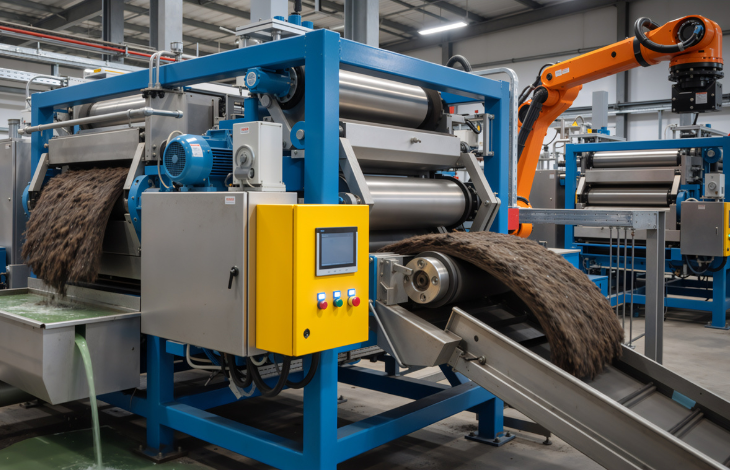
Sludge dewatering systems rely on stable conditions, yet waste streams constantly fluctuate. Shifts in solids content, chemistry, and flow quickly impact how effectively water is separated from sludge.
These changes have a direct impact on efficiency, reliability, and operating costs. In practical liquid waste management environments, understanding how waste composition shifts helps operators respond early and maintain consistent performance.
Waste Stream Variability Reduces Separation Efficiency
Stable feed conditions allow sludge dewatering systems to perform predictably. When those conditions change, the system separates the sludge less effectively.
Solids concentration is a key factor. Low solids reduce capture efficiency, while high solids can overload equipment and slow processing. Particle size also matters. Fine particles are harder to separate and may pass through filtration media.
In metalworking environments, for example, increased fine particulate emissions from machining processes can reduce filtration performance. Operators often need to adjust polymer dosing or reduce throughput to maintain acceptable results.
Chemical Composition Alters Sludge Behaviour
The chemical makeup of a waste stream determines how particles interact during dewatering. Even small changes in chemistry can quickly disrupt this balance and affect system performance.
Important factors include:
- pH levels, which influence how polymers react
- Oil and grease, which coat particles and prevent binding
- Dissolved contaminants, which interfere with floc formation
In wastewater treatment, unexpected industrial discharge can introduce chemicals that weaken floc structure. This leads to poor separation and results in a higher moisture content in the final sludge.
Polymer Demand Changes with Feed Conditions
Polymers play a central role in improving separation. However, their effectiveness depends on the characteristics of the incoming sludge, which can fluctuate with changing waste composition.
When waste composition shifts:
- Polymer demand may increase to maintain floc strength.
- Incorrect dosing reduces separation efficiency.
- Overdosing creates sticky sludge that can clog equipment.
Many operators notice more frequent adjustments during seasonal changes or production shifts. Even a well-running system might suddenly require ongoing tweaks to maintain output quality.
Flow Variations Affect System Stability
Sludge remains in the system longer when flow rates decrease, thereby increasing water removal.
Higher or fluctuating flow can:
- Reduce residence time and limit separation.
- Overload equipment and increase wear
- Create an inconsistent sludge cake quality.
During heavy rainfall events, wastewater plants often receive diluted but higher-volume influent. This reduces dewatering efficiency while increasing system load.
Sludge Conditioning Must Match the Waste Stream
Teams should regularly review whether sludge conditioning matches shifting waste characteristics. Relying on a set-and-forget approach risks a drop in performance as inputs change.
This may involve:
- Changing polymer type or concentration
- Adjusting mixing intensity or retention time
- Introducing pre-treatment for difficult sludge
In industries such as mining or food processing, shifts in raw materials can alter sludge composition. Without adjusting conditioning, dewatering efficiency drops quickly.
Equipment Performance Depends on Consistent Inputs
Different sludge dewatering systems respond differently to variability in feed conditions. Understanding these differences helps operators manage systems more effectively as conditions shift.
- Belt filter presses require a stable feed and consistent dosing.
- Centrifuges handle variability better but may increase energy use.
- Filter presses produce drier cake but depend on steady input.
Operators often need to adjust speed, pressure, or feed rate to maintain performance when inputs fluctuate.
Direct Impact of Waste Stream Changes on Performance
Changes in waste stream composition directly affect system performance by altering solids behaviour, chemical interactions, and system loading. These impacts drive the adjustments needed for optimal system performance.
This typically results in:
- Reduced separation efficiency
- Increased chemical usage
- Higher moisture content in sludge
- Greater equipment wear
In practice, unstable waste streams increase operational costs and maintenance demands in liquid waste management systems.
Monitoring Improves System Control
Monitoring waste stream conditions allows operators to respond quickly and maintain consistent output. This proactive approach helps prevent issues before they disrupt performance.
Common approaches include tracking solids concentration, testing sludge characteristics, and adjusting polymer dosing based on real-time data. Automated systems can help maintain stability by responding to changes without manual intervention.
Facilities that actively monitor inputs tend to achieve more reliable performance and fewer disruptions.
Adapting to Change Supports Long-Term Performance
Sludge dewatering systems perform best when adjustments are made to match real operating conditions. Since waste streams will continue to change due to production shifts, environmental factors, and upstream processes, ongoing adaptation is crucial.
By understanding how solids, chemistry, and flow influence performance, operators can maintain efficiency and reduce long-term costs. In effective liquid waste management, adaptability is what keeps systems running reliably.