

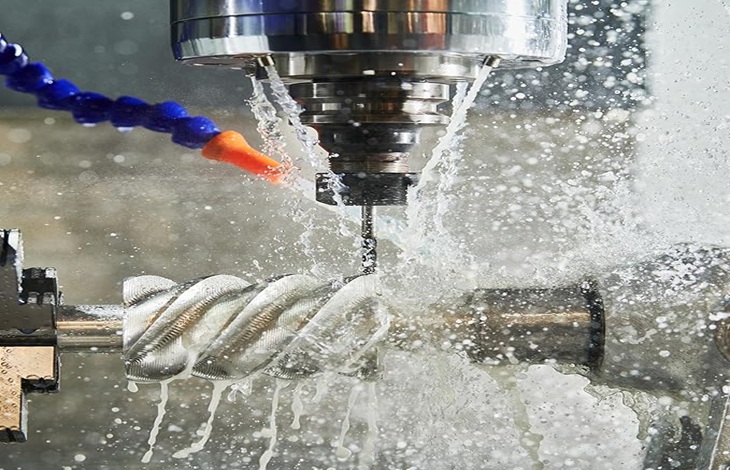
Coolant should look clear when the line restarts on Monday. When it appears slightly off-colour, the cause often traces back to a filter media roll that reached its limit on the previous production day. Hence, cloudy coolant is a warning. It shows the media carried more solids than it should, and the equipment had to compensate to keep the flow moving. While nothing is broken, the line now needs extra time to clear, which increases the workload on pumps and moving parts.
A properly matched filter material roll is the solution to keep fines suspended long enough for the system to move them through, instead of letting them collect overnight. Facilities using multi-stage arrangements supported by Interfil’s wastewater filter media tend to see these changes sooner, as downstream stages rely on a consistent load entering the system. Some stabilise flow by adding a second filter media roll upstream to reduce the likelihood of solids settling during heavier production periods.
How Filter Media Roll Care Protects Equipment
Filtration performs best when the roll stays within its designed depth of loading. When the filter media roll is changed on time, flow remains even, pressure stays predictable, and pumps aren’t forced to compensate for reduced movement. Clean media also reduces the amount of fine material reaching bearings, valves, and other moving parts to prevent mechanical wear in sections that take the brunt of the daily workload.
Across different facilities, the outcome stays similar: solids controlled early prevent unnecessary strain farther down the line. Regular alignment checks help the wastewater filter media move cleanly along its track, so rollers and drive units aren’t absorbing uneven drag. Research on fluid contamination and wear mechanisms, such as the findings published in Lubricants by MDPI, underline how particulates and poor fluid quality increase abrasion across moving parts.
Interfil’s filtration range includes options specified to keep coolant stable during heavier production weeks, particularly in systems where a filter media roll carries the main solids load. To keep flow consistent across multi-stage lines, contact Interfil.
Fast Answers to Filtration Questions
What affects the lifespan of filtration equipment?
Pressure stability, coolant clarity, and early solids control across each stage of the line.
How often should a filter media roll be checked?
End-of-day checks help prevent solids from settling overnight during higher-throughput periods.
Why does clarity drop after shutdowns?
Once the roll reaches capacity, fines settle and need time to clear on restart. Plants using wastewater filter media reach this point earlier because their filtration stages are more sensitive to excess solids in circulation.
Steps that Keep the Flow Consistent
- Confirm the roll’s loading level before the weekends
- Check tension and tracking to avoid uneven drag
- Watch for early signs of cloudiness during heavier runs
- Look for changes in flow where several filtration stages operate together
The Planning Gains from Regular Filtration
Forecasting becomes more accurate when the filter media roll performs at its intended capacity. When the roll holds its load, fewer solids settle at the base of the tank, and cleanouts become less frequent. Pumps also work with less strain when coolant circulates freely, supporting stable energy use across longer blocks of work.
Downstream equipment benefits in the same way. Magnetic drums, centrifuges, and skimmers operate more consistently when the coolant carries fewer fines. These gains accumulate across the year, especially when filtration is matched to the demands of multi-stage lines.
When to Involve Interfil
Filter media performance plays a far greater role in overall system efficiency than many operations initially expect. From stabilisation times between cycles to solids carryover across extended production runs, even subtle differences in media behaviour can compound into measurable performance impacts. Understanding how your current roll responds under real operating conditions is key to maintaining consistency, throughput, and process control. If you’re seeing variability, slower recovery, or limitations as demand shifts, a targeted review can reveal where improvements are possible. To evaluate how your current filtration setup is truly performing and identify media options better suited to your operating demands, speak with the team at Interfil today.