

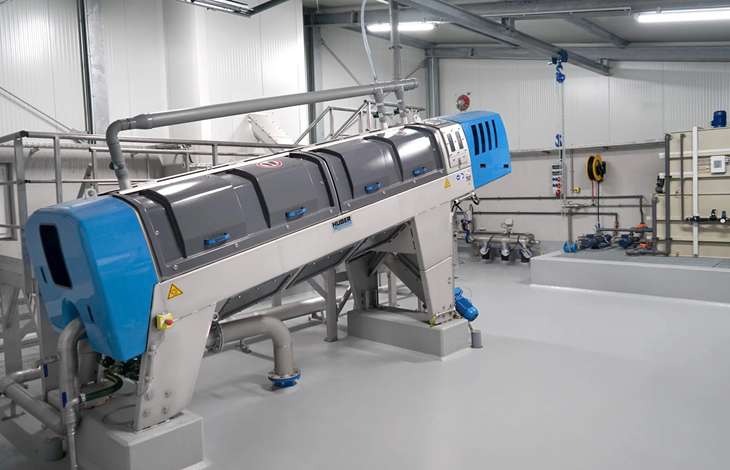
Sludge dewatering systems control solids before they affect pumps, tanks, or recycled water loops in circular water management. You’ll see the impact most clearly on sites where water use and production speed change fast, such as large mines, food plants, and manufacturing facilities. These operators rely on water storage, treatment units, and return lines to stay stable on long production days. Since anything that slows their movement creates a ripple effect, industries across Australia treat sludge dewatering as essential to reliable water circulation.
Early Signs that a Water Loop is Under Pressure
Circular water loops struggle when solids stay suspended for too long. Heavy loads slow pumps, fill storage faster, and push waste tanks past the point where simple settling can keep up. This is when return lines deliver cloudy water at the start of a shift or flow drops after a high-volume production run.
While food, beverage, manufacturing, resource extraction, and liquid-waste operators deal with different types of solids, the pressure points look similar. As soon as fines or organic material build up, the whole loop becomes harder to manage. Sludge dewatering systems remove solids before the flow changes, which keeps pumps operating within normal resistance levels and supports consistent water reuse.
What Mining Crews Deal With On the Ground
On large open-cut sites, water carts depend on return flow from sumps and pits. After heavy digging or a sharp weather change, those pits thicken. Pumps slow down. Carts end up waiting because the water coming back through the line isn’t clean enough to reuse.
When solids are pulled out before the slurry gets too thick, crews keep the carts moving, and haulage teams deal with drier material rather than shifting wet loads. Sites hold onto more usable water during the hotter weeks, and operators spend less time clearing blockages. These patterns match what mining operators report nationally, whether dust storms clog the lines or heavy rain overloads the pits. The national science agency confirms what operators already know: without recovered water, many mining and processing sites in dry regions couldn’t maintain their current output levels.
Common Questions from Mining Crews
How much water can we actually recover?
In many cases, sites recover up to 70-85% of their process water when solids are removed early. The exact amount depends on your current filtration setup and the type of material being processed.
What happens when we get unexpected rainfall?
Dewatering systems handle volume spikes by separating solids faster, which prevents pumps from pushing against dense material and reduces the chance of settlement pits reaching overflow levels.
Does this slow down our cart rotations?
Cart rotations actually speed up because water returns to the loop cleaner and faster. Crews spend less time waiting for cloudy water to clear through natural settling.
How long does installation take on an active site?
Installations can take 2-5 days, maybe more, depending on the system size and your current setup. Most work is staged to avoid interrupting key production windows.
What maintenance do these systems need?
Daily checks take about 15 minutes, mainly to control flow rates and clear any blockages. Major service intervals depend on solids load, not fixed dates.
The Real Cost of Letting Solids Through
Once solids build up in the system, repairs start piling up. Seals wear out faster, flow drops, and production slows while lines get cleared. Industrial filtration stages face the same pattern, when maintenance becomes reactive instead of planned, costs multiply
Sludge dewatering systems prevent these downstream effects by separating solids before they recirculate. The outcome is simple: clearer water, fewer mechanical interruptions, and fewer workarounds during peak demand.
Get in touch with Interfil to see how sludge dewatering handles the solids loads affecting your water recovery.
Benefits of Water Reuse Across Industries
Every sector handles a different mix of solids, but the gains look similar:
- Food, beverage, and packaging control organic material early. More wash-down water stays in circulation.
- Manufacturing keeps coolant streams consistent. Cloudiness that slows filtration gets reduced.
- Liquid-waste operators remove water early and send drier solids offsite. Disposal volumes drop.
- Mining and construction protect pumps and keep water carts running on schedule. Spray systems stay operational.
Interfil sees this pattern repeated across these multiple industries – early solids management cuts the reactive maintenance calls. The reason is simple: return flow stays more consistent when solids don’t build up in the first place.
Getting the Right Sludge Dewatering System
Most operators want to know three things: will it handle their peak loads, how fast can it be installed, and what’s the real cost over two years. Interfil’s sludge dewatering systems address exactly these points, as downtime during installation or equipment failure can create costs higher than the new system itself.
Get Interfil’s team to assess your current system and outline which one would best suit your water-recovery setup. Contact Interfil today.