

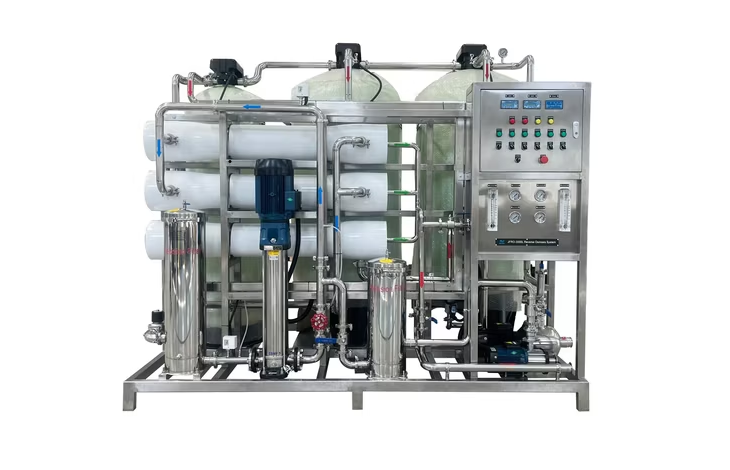
In many industrial filtration systems, performance issues such as pressure build-up, uneven flow, or frequent maintenance can often be traced back to one factor: the selection of wastewater filter media.
In practice, wastewater systems deal with fluctuating flow rates and varying contaminant loads. The role of filtration media is to manage these variations without causing pressure loss, uneven flow, or performance drops.
A well-matched media setup reduces interruptions. Poor selection can lead to blockages, uneven filtration, and increased maintenance.
What Wastewater Filter Media Does in a Working System
Wastewater filter media creates the environment where separation and treatment occur. It controls how water spreads through the filter bed and how contaminants are retained or broken down.
As water passes through:
- Larger particles are trapped between media grains
- Smaller particles are captured deeper within the bed
- Some dissolved substances attach to media surfaces
- In biological systems, microbes use the media as a growth surface
Each of these processes depends on the media’s structure and its match to the wastewater profile. For example, in metalworking facilities, oils and fine metal particles require media that can effectively manage both suspended solids and surface adhesion.
How Filtration Media Controls Flow Behaviour
Flow through a filter is not just about speed. It is about how evenly water is distributed across the media and whether resistance builds over time.
Particle Size and Flow Distribution
Larger media particles allow water to move freely, but they can create uneven distribution if not properly layered. Smaller particles slow the flow but help stabilise it by reducing channelling.
A graded approach improves flow balance. Water spreads evenly at the top and continues through progressively finer layers without creating high-resistance zones.
Porosity and Internal Pathways
Porosity defines the number of pathways water can take through the media. Higher porosity allows multiple flow paths, reducing the risk of localised pressure build-up.
Low-porosity media limit these pathways, increasing the likelihood of uneven flow, especially in high-demand industrial filtration systems.
Why Layering Improves Flow Stability
Layered media does more than improve filtration. It helps maintain consistent hydraulic behaviour.
The upper layer absorbs sudden changes in load, while the lower layers handle finer filtration. This reduces stress on any single layer and maintains stable flow conditions across the bed.
How Media Design Supports Consistent Treatment
Consistent treatment relies on even contaminant capture and media durability over time.
Managing Fouling Without Disrupting Flow
Fouling reduces available flow paths and can create uneven filtration zones. Media with a consistent shape and smooth surfaces slows the rate at which particles accumulate.
Uniform flow prevents channelling. With high solids, rapid fouling reduces system capacity if the media is not well selected.
Backwashing and Media Recovery
Backwashing restores performance, but its effectiveness depends on how the media behaves during cleaning.
Media that expands evenly allows trapped solids to be released across the entire bed. If expansion is uneven, certain areas remain clogged, which affects future filtration cycles.
Supporting Biological Activity Where Required
In biological treatment systems, media must provide stable conditions for microorganisms.
High-surface-area materials allow biofilms to form and remain attached during operation. This ensures organic contaminants are consistently broken down rather than fluctuating with changing loads.
Direct Answer: How Media Selection Impacts Performance
The type of wastewater filter media directly controls how much water a system can process and how consistently contaminants are removed. Coarse media supports higher flow rates, while finer media improves filtration accuracy but increases resistance. Most systems use layered media to balance both.
Matching Media to Industrial Filtration Conditions
Different applications require different performance characteristics from the media.
High-solids wastewater benefits from media that maintain open flow paths under heavy loading. Chemical-heavy streams may require media designed for adsorption rather than just physical separation.
For example, mining sites often prioritise durability and resistance to clogging, while manufacturing plants may require finer filtration media to capture oils and fine particulates.
Systems with variable flow conditions need media that respond without sudden pressure changes. In these cases, layered designs and higher porosity are commonly used.
Selecting appropriate filtration media ensures that industrial filtration systems operate reliably across changing conditions. Selecting appropriate filtration media ensures that industrial filtration systems operate reliably across changing conditions, particularly where media performance directly impacts system efficiency.
Operational Considerations That Affect Performance Over Time
Media selection also influences how systems behave over longer operating periods.
Media that compacts or degrades will gradually reduce flow capacity. Media that resists structural breakdown maintains consistent performance.
Energy use is also linked to media choice. Higher resistance requires more pumping effort, increasing operating costs. Monitoring pressure across the filter helps identify when the media is no longer performing as expected.
Designing Systems That Maintain Flow and Treatment Consistency
Effective filtration design focuses on maintaining both stable flow and reliable contaminant removal.
This typically involves:
- Using graded media to manage flow distribution
- Selecting materials that resist fouling and compaction
- Designing layers that share the filtration load
- Ensuring sufficient porosity for the consistent movement of water
These decisions help systems operate predictably rather than reacting to changing conditions.
The Right Filter Media Selection Supports Reliable Throughput and Stable Treatment
The performance of a filtration system depends on how well the wastewater filter media matches the application. Media characteristics influence flow behaviour, contaminant capture, and long-term reliability.
In industrial filtration, where systems must handle variable loads without interruption, the right media selection supports consistent operation, efficient processing, and reduced maintenance over time.
Read Also:
How Multi-Stage Centrifugal Blowers Improve Energy Efficiency Across Industrial Operations
How Oil Skimmers Combat Bacteria Growth and Filter Blockages