

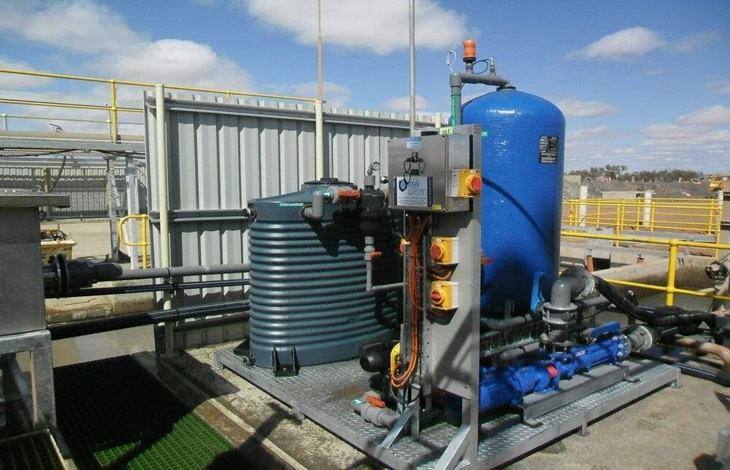
Waste oil separator maintenance means daily visual checks, weekly component cleaning, and monthly efficiency testing to avoid coolant pumps struggling against clogged separators, pressure gauges to climb, and flow rates to drop. Operators know a shutdown may follow if the system cannot recover, but regular maintenance often gets delayed until performance drops and forces emergency fixes. Here are the checks and maintenance tasks required to prevent production stoppages.
Daily Checks That Prevent Weekend Repairs
Visual inspection takes minutes but catches problems before they turn into bigger issues. Check discharge areas for oil accumulation, indicating declining separator performance, and listen for unusual vibration in rotating components while looking for changes in pump noise patterns. Temperature readings on bearing housings should stay within normal ranges (typically 40–60°C above ambient temperature, depending on manufacturer specifications). Water clarity at the discharge point indicates how separation is performing. Cloudy or discoloured discharge often signals overloading or filter media approaching the end of its service life.
Weekly Maintenance Tasks that Extend Equipment Life
- Remove accumulated sludge from collection areas before it hardens and becomes difficult to extract
- Clean oil skimmer belts or discs using appropriate solvents, taking care not to damage surface textures
- Check and adjust scraper blade contact on magnetic drum separators; worn blades leave material on the drum surface
- Replace filter media when pressure differentials exceed manufacturer recommendations
- Lubricate bearing points according to service schedules, avoiding over-lubrication that attracts contaminants
Effective filtration media selection determines how long these intervals can be maintained without compromising separation efficiency.
Monthly Service Requirements that Prevent Major Repairs
- Inspect internal components for wear patterns that indicate misalignment or excessive loading
- Check coupling alignments on drive systems and retighten connections that may have loosened during operation
- Replace seals and gaskets that show early deterioration
- Keep replacement parts in stock rather than waiting for failures to occur
- Test separation efficiency using known contamination samples instead of assuming performance remains constant
Many facilities still rely on reactive maintenance, replacing components only after failure. But this method increases downtime and parts costs compared with planned replacement schedules. The NSW EPA’s industrial waste guidelines require containment systems to function correctly, which actually places separator reliability within a compliance context.
Troubleshooting Performance Drops
Poor separation often stems from overloading, not equipment failure. Check inlet contamination levels, as heavy slug loading overwhelms separators designed for steady-state operation. Temperature also affects separation efficiency. Cold conditions slow oil coalescence, while excessive heat reduces viscosity differences needed for effective separation.
Flow distribution problems create dead zones where solids accumulate. Blocked inlet distributors or damaged internal baffles can cause uneven loading that reduces system capacity.
Common Maintenance Questions
How often should magnetic drum separators be cleaned?
Daily removal of captured material prevents build-up that reduces magnetic field effectiveness. The drum surface itself rarely needs cleaning unless process fluids leave residue.
Should separator maintenance be scheduled during production shutdowns?
Major component replacement requires downtime, but daily and weekly tasks can continue during normal operation.
What causes separators to lose efficiency gradually?
Worn internal components create bypass paths that reduce separation time. Replace seals, gaskets, and worn surfaces before efficiency drops become noticeable.
How do you know when filter media needs replacement?
Pressure differential monitoring provides the clearest indication. Replace media when the pressure drop exceeds design specifications.
What’s the most overlooked maintenance task?
Calibrating flow measurement devices. Inaccurate readings lead to improper loading that reduces separation efficiency and accelerates component wear.
Working With Maintenance Specialists
Separator maintenance depends on contamination types, operating temperatures, and fluid characteristics. That varies between installations. Interfil provides technical guidance on maintenance intervals and component replacement strategies to help facilities reduce unplanned downtime. Contact our technical team to review current procedures and identify opportunities for improved system reliability.
Read Also:
Advancements in Air Filter Roll Technology and Their Impact on Industrial Filtration
Comparing Different Filtration Media for Various Industries