

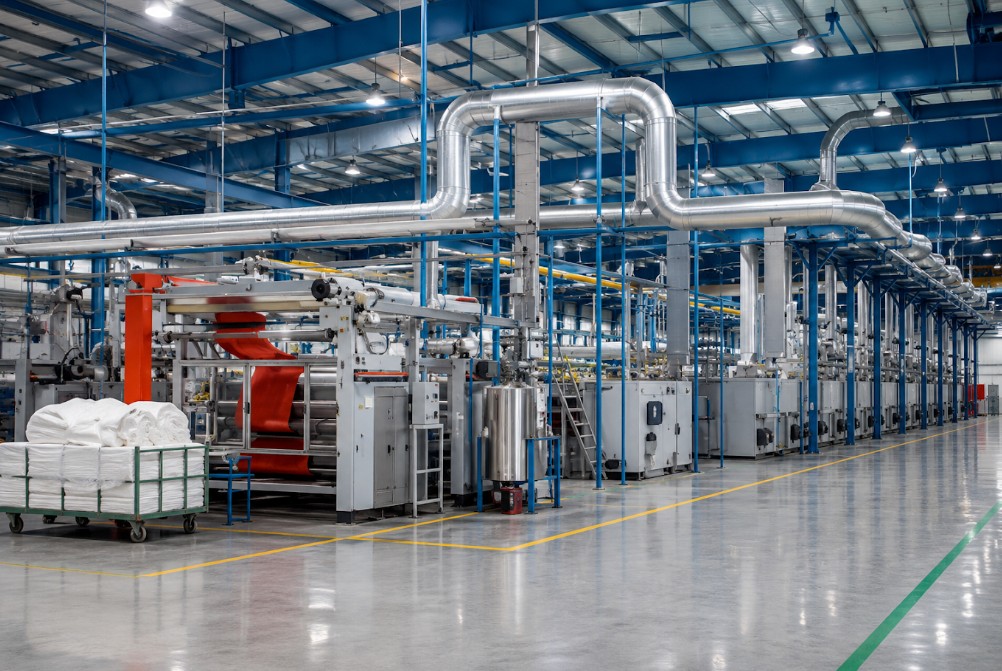
Machine downtime disrupts manufacturing operations. Production schedules slip, labour costs escalate, and equipment often demands urgent repairs, derailing planned workflows.
An often-overlooked source of downtime is coolant contamination. During machining and grinding, coolant steadily accumulates metal fines, swarf, tramp oil, and debris. If these impurities persist, they degrade machine performance, accelerate component wear, and cause maintenance problems that halt production.
This is why many manufacturers invest in coolant filtration equipment as part of their overall reliability strategy. By removing contaminants before they affect equipment, filtration systems help maintain cleaner coolant, improve machine efficiency, and support more consistent production performance. Many of the broader benefits associated with industrial filtration to improve manufacturing efficiency and productivity begin with effective contaminant control at the source.
What Industrial Coolant Filtration Systems Actually Do
Industrial coolant filtration systems are designed to remove contaminants from coolant before it is recirculated through machinery.
Coolant doesn’t just cool; it lubricates cutters, removes chips, and ensures surface quality. Contamination reduces its effectiveness.
Filtration systems continuously remove unwanted particles from the coolant stream, allowing cleaner fluid to return to the process. Depending on the application, this may involve magnetic separation, filtration media, centrifuge technology, or a combination of filtration methods.
The goal is not simply cleaner coolant. The goal is to maintain stable operating conditions throughout the manufacturing process.
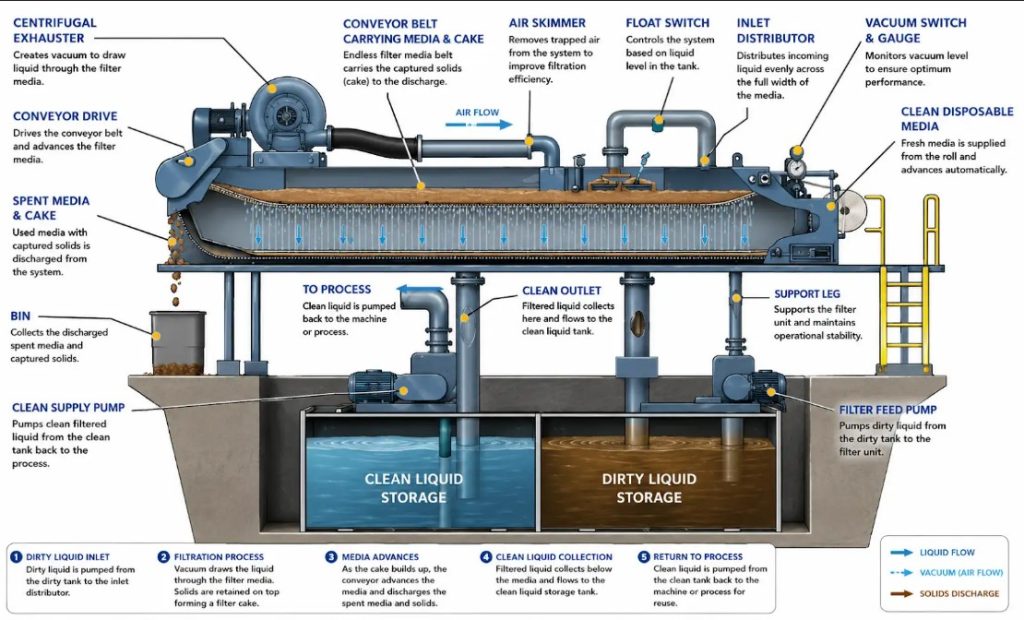
Industrial coolant filtration systems continuously remove contaminants from coolant, helping protect machinery and maintain efficient production.
How Coolant Contamination Leads to Downtime
Contaminated coolant can create problems gradually before causing noticeable production issues.
Fine metal particles can circulate through pumps, valves, and coolant delivery lines. Over time, these abrasive particles contribute to wear on mechanical components. As wear increases, coolant flow efficiency can decline, and equipment reliability may decline.
In high-volume grinding operations, even microscopic ferrous particles can accumulate rapidly. Without effective filtration, these particles circulate through pumps and coolant delivery systems, increasing wear and contributing to sludge build-up that requires regular shutdowns for cleaning.
In these situations, downtime is often due to contamination that has accumulated over an extended period rather than a sudden equipment failure.
This highlights the importance of filtration throughout the manufacturing supply chain, where even small inefficiencies can contribute to increased maintenance requirements and reduced productivity over time.
How Do Industrial Coolant Filtration Systems Reduce Downtime?
Industrial coolant filtration systems reduce downtime by removing contaminants that contribute to equipment wear, blocked coolant systems, increased maintenance requirements, and premature tool failure. Cleaner coolant supports more reliable machine operation, allowing manufacturers to reduce unexpected stoppages and maintain more consistent production schedules.
For many facilities, filtration works as a preventative measure that reduces problems before they affect production. This approach aligns with the broader benefits of coolant filtration, where cleaner coolant contributes to more reliable equipment performance.
Magnetic Filtration in Ferrous Manufacturing Applications
Magnetic filtration plays an important role in operations that machine ferrous materials.
Interfil’s magnetic drum separators used in modern industrial filtration equipment are designed to remove ferrous particles from coolant using powerful magnetic fields. As contaminated coolant passes through the separator, ferrous contaminants are attracted to the rotating magnetic drum while cleaner coolant returns to the process. The collected particles are then discharged separately from the coolant stream.
This continuous removal process helps prevent ferrous particles from circulating through equipment where they may contribute to wear and contamination build-up.
In grinding applications, where extremely fine metallic particles are generated, magnetic filtration can significantly reduce contaminant levels before coolant is reused. This supports cleaner coolant circulation and helps maintain more stable machining conditions.
Extending Tool Life and Machine Reliability
Cutting tools operate under demanding conditions. When coolant contains abrasive contaminants, tool edges can experience additional wear, reducing cutting performance and shortening service life.
Repeated tool changes disrupt production and increase operating costs. Contamination also impairs pumps, seals, and coolant-delivery mechanisms throughout the machinery.
Industrial coolant filtration systems help reduce the concentration of abrasive particles in the process stream. Cleaner coolant enables tooling and equipment components to operate more reliably, reducing the frequency of maintenance-related stoppages.
This becomes particularly valuable in high-volume manufacturing environments where equipment availability directly affects output.
Supporting Coolant Life and Maintenance Efficiency
Coolant replacement goes beyond purchasing new fluid. The process includes draining systems, scrubbing tanks, disposing of waste, and restarting equipment.
Contaminants accelerate coolant degradation, necessitating more frequent replacements.
By continuously removing solids from the coolant stream, filtration systems help maintain coolant quality for longer periods. Interfil’s coolant filtration solutions are designed to improve coolant life while helping reduce operating costs associated with fluid replacement and maintenance.
A longer coolant life also reduces the downtime required for coolant changes and system cleaning. In facilities operating multiple machining centres, reducing coolant maintenance can free up valuable labour resources and improve production efficiency.
Many manufacturers also incorporate filtration inspections into preventative maintenance programs focused on maintaining and servicing industrial filtration equipment to help identify potential issues before they affect production.
Common Coolant Filtration Solutions Used in Manufacturing
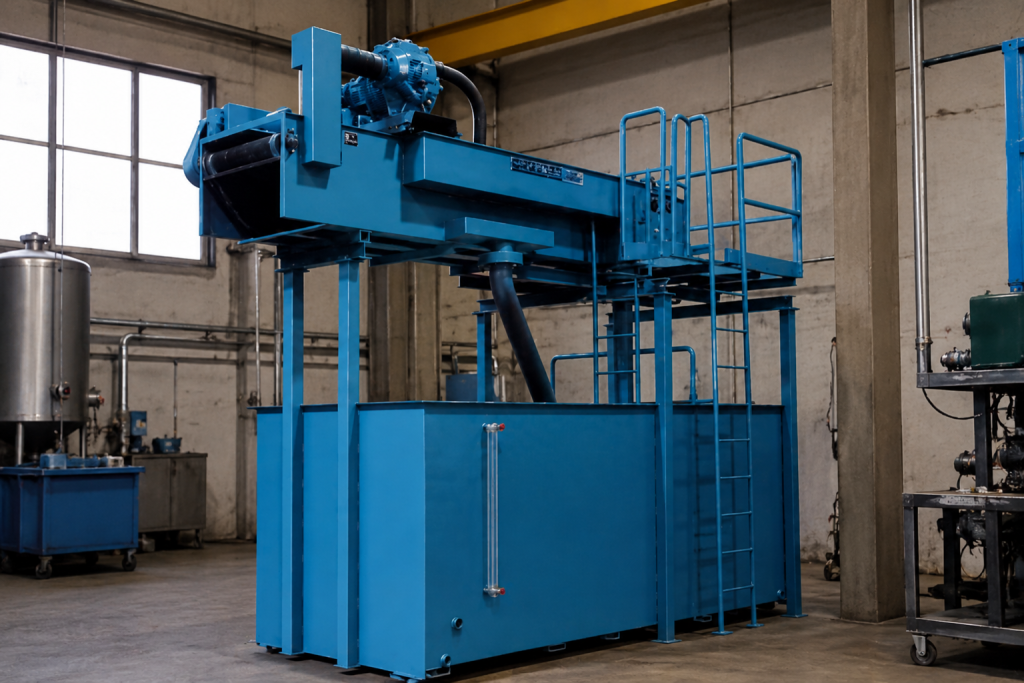
Industrial coolant filtration systems help extend coolant life, protect machinery, and minimise costly downtime in manufacturing environments.
Different manufacturing environments generate different types and volumes of contamination, which is why coolant filtration is rarely a one-size-fits-all solution. Selecting the right filtration method depends on factors such as the material being machined, coolant type, production volume, and required cleanliness levels.
In addition to dedicated magnetic filtration systems, many facilities use magnetic drum separators to continuously remove fine ferrous particles from coolant streams before they can accumulate in tanks, pumps, and delivery systems.
Flatbed coolant filtration systems are often used where larger volumes of coolant and mixed contaminants need to be managed. By combining filtration media with automated coolant handling, these systems help maintain consistent coolant quality while supporting high-production manufacturing environments.
This approach aligns closely with the well-documented benefits of coolant filtration in manufacturing processes, particularly in facilities where coolant cleanliness directly affects equipment performance and product quality.
Centrifugal separation systems use high-speed rotational force to remove extremely fine particles that may be difficult to capture using conventional filtration methods. This makes them particularly useful in applications where high levels of coolant cleanliness are required to protect equipment and maintain product quality.
In many facilities, combination filtration systems provide the best results. By integrating technologies such as magnetic separation, filtration media, and centrifugal separation, manufacturers can address multiple contamination types simultaneously while improving overall coolant management efficiency.
Matching the filtration system to the specific manufacturing process helps maximise contaminant removal, reduce maintenance requirements, and support long-term equipment reliability.
Selecting the Right Filtration Approach
Different manufacturing processes create different contamination challenges.
Grinding operations often generate fine ferrous particles that are readily separated by magnetic separation. Other machining applications may require additional filtration stages to manage non-ferrous materials or extremely fine particulate contamination.
Filtration system selection should be based on factors such as contaminant type, coolant volume, flow requirements, and cleanliness targets. Matching the filtration method to the manufacturing process helps ensure reliable contaminant removal without creating unnecessary complexity.
Factors such as contaminant size, coolant chemistry, flow requirements and choosing the right filter media for high-performance industrial filtration can all influence overall system performance.
For facilities evaluating filtration performance, examples from real-world filtration applications demonstrate how contaminant-control strategies can support productivity, equipment reliability, and resource efficiency across industries.
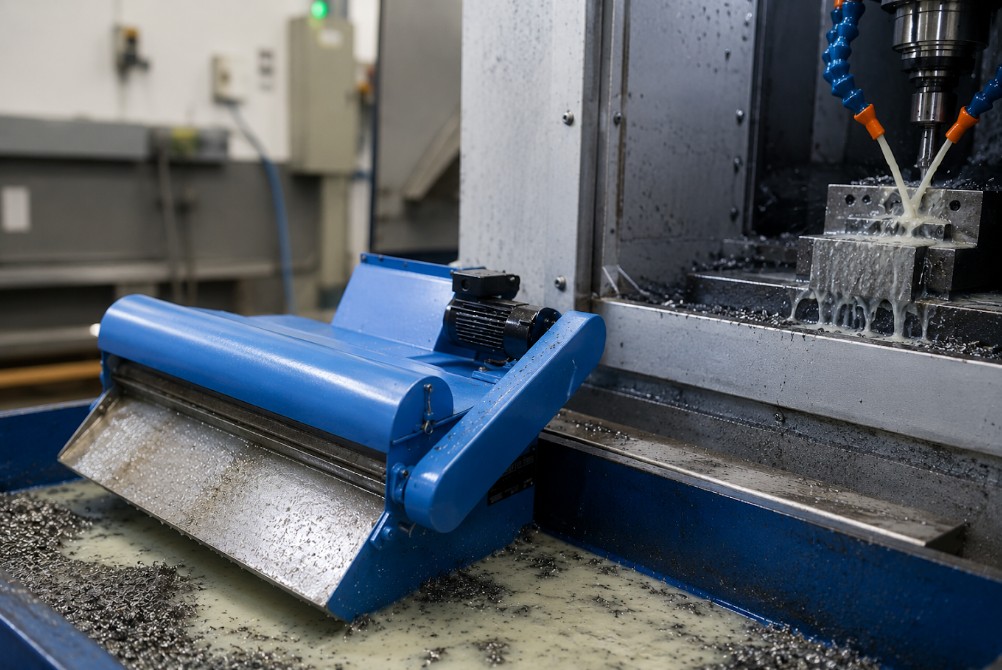
Choosing the right coolant filtration approach helps maintain cleaner machining fluids, extend equipment life, and reduce unplanned downtime.
Conclusion
Reducing downtime requires more than maintaining machines when problems appear. It also requires controlling the contamination that contributes to wear, maintenance issues, and production interruptions.
Industrial coolant filtration systems help manufacturers maintain cleaner coolant, improve machine efficiency, extend coolant life, and reduce contamination-related downtime. By removing particles before they affect equipment performance, filtration becomes an important part of maintaining reliable manufacturing operations and supporting long-term production efficiency.
When coolant cleanliness is managed proactively, manufacturers are better positioned to maintain production schedules, reduce maintenance disruptions, and improve the overall efficiency of their machining operations.
For manufacturers focused on reducing maintenance costs and improving operational reliability, investing in the right coolant filtration strategy can deliver measurable long-term benefits across equipment performance, coolant life and production efficiency.