

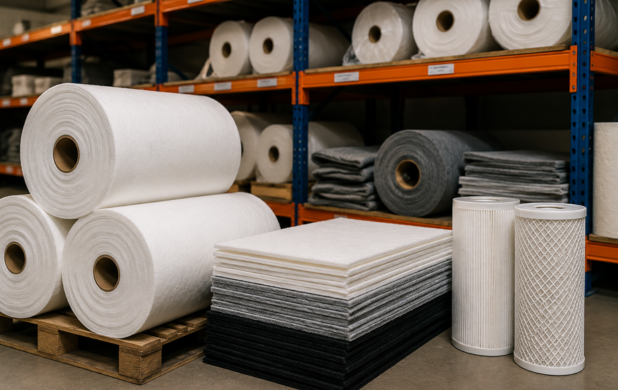
Choosing the right filter material suppliers is an important part of maintaining reliable industrial filtration performance. In many industries, filtration systems operate continuously under demanding conditions, processing wastewater, coolants, oils, sludge, and other contaminated liquids. When filter media quality varies between batches, system performance can quickly become unpredictable.
Many industrial buyers focus on pricing and delivery times when sourcing filtration products. While these factors matter, long-term performance depends heavily on the consistency of the filter media being used. Variations in fibre density, thickness, permeability, or manufacturing quality can affect filtration efficiency, flow rates, and equipment reliability.
Reliable suppliers help facilities maintain stable operations by providing consistent filter roll products and dependable filtration performance across every order.
Why Consistency Matters in Industrial Filtration
Industrial filtration systems rely on stable media performance to maintain contaminant removal efficiency and protect equipment. Even minor differences in filter media can influence how quickly a system blocks, how effectively particles are captured, and how often maintenance is required.
In manufacturing environments, coolant filtration systems depend on reliable filtration media to prevent fine metal particles and swarf from circulating through machinery. If the filter media changes between batches, operators may notice inconsistent coolant cleanliness, increased equipment wear, or reduced machining performance.
Wastewater treatment systems face similar issues. Filtration media used in high-solid applications must maintain flow while handling demanding contaminant loads. Lower-quality media may clog prematurely, collapse under pressure, or struggle to maintain separation efficiency during long operating cycles.
Using dependable filter material suppliers helps reduce these risks and supports more predictable industrial filtration performance.
The Role of Filter Media in System Efficiency
The quality of filter media directly affects how efficiently an industrial filtration system performs. Filtration media must balance several factors, including:
- Flow rate
- Particle retention
- Structural strength
- Chemical compatibility
- Resistance to pressure changes
- Operational lifespan
A poorly manufactured filter roll may initially appear suitable but perform inconsistently once exposed to continuous industrial use. Some lower-grade products contain uneven fibre distribution or inconsistent bonding, which can create weak areas within the media. These inconsistencies often lead to early blockages, reduced throughput, or unstable filtration results.
High-quality filter media supports smoother system operation by maintaining consistent filtration characteristics over extended periods.
What Industrial Buyers Should Assess in Filter Material Suppliers
Not all filter material suppliers maintain the same manufacturing standards. Industrial buyers should look beyond pricing and evaluate how suppliers control product quality and support long-term operational reliability.
Important areas to assess include:
Manufacturing Consistency
Reliable suppliers maintain strict production controls to ensure every filter roll performs consistently. This includes monitoring fibre density, material thickness, permeability, and filtration performance throughout manufacturing.
Consistent production standards help industrial filtration systems maintain stable operating conditions and predictable maintenance schedules.
Technical Knowledge
Experienced suppliers should understand the demands of different industrial filtration applications. Wastewater filtration, coolant filtration, oil separation, and sludge dewatering all place different requirements on filter media.
Technical support becomes valuable when selecting the correct filter media for specific contaminant loads, flow requirements, or operating environments.
Material Performance Data
Industrial buyers should request performance specifications where possible. Understanding filtration ratings, flow characteristics, and compatibility with certain liquids helps reduce the risk of selecting unsuitable filtration media.
Reliable Supply and Lead Times
Industrial filtration systems often operate on planned replacement schedules. Delays in supply can disrupt operations and force facilities to continue using saturated or worn filtration media longer than recommended.
Strong filter material suppliers support operational continuity through dependable stock availability and consistent lead times.
Different Industrial Applications Require Different Filter Media
No single filter media suits every industrial process. Different applications require different filtration characteristics depending on the type of contaminants being processed.
For example:
- Coolant filtration systems may prioritise fine particle capture and high flow stability.
- Wastewater filtration applications often require media capable of handling high solids content.
- Oil separation systems may need media resistant to chemical exposure and fluid saturation.
- Sludge dewatering processes require durable filtration materials capable of operating under heavy loading conditions.
Selecting the correct filter roll for each application helps improve filtration efficiency while reducing maintenance and downtime.
Poor Quality Filter Media Can Increase Operational Costs
Lower-cost filtration media can sometimes create higher long-term operating expenses. Inconsistent filter media may require more frequent replacement, increase labour requirements, or contribute to equipment wear caused by poor contaminant removal.
Industrial facilities processing large fluid volumes often experience additional costs when filtration systems become unstable. Reduced flow rates, unexpected shutdowns, and premature maintenance can all affect production efficiency.
Reliable industrial filtration systems depend on stable media performance to support consistent throughput and equipment protection.
Long-Term Supplier Relationships Improve Filtration Reliability
Many industrial operations benefit from working closely with experienced filter material suppliers who understand their processes and operating challenges. Long-term supplier relationships often improve consistency, communication, and product selection over time.
Suppliers familiar with a facility’s filtration requirements can recommend suitable filter media as production demands change or operating conditions evolve. This helps businesses maintain stable industrial filtration performance without relying on trial-and-error product selection.
Choosing the Right Filter Material Suppliers
Choosing filter material suppliers involves more than sourcing available stock. Industrial buyers should assess manufacturing standards, technical support, supply reliability, and long-term product consistency before making decisions.
Reliable filter media helps industrial filtration systems maintain stable flow rates, effective contaminant removal, and reduced maintenance interruptions. Whether managing wastewater, coolant filtration, sludge dewatering, or oil separation, consistent filtration media plays a major role in operational reliability.
Working with experienced suppliers helps facilities improve industrial filtration performance while supporting more predictable and efficient long-term operations.